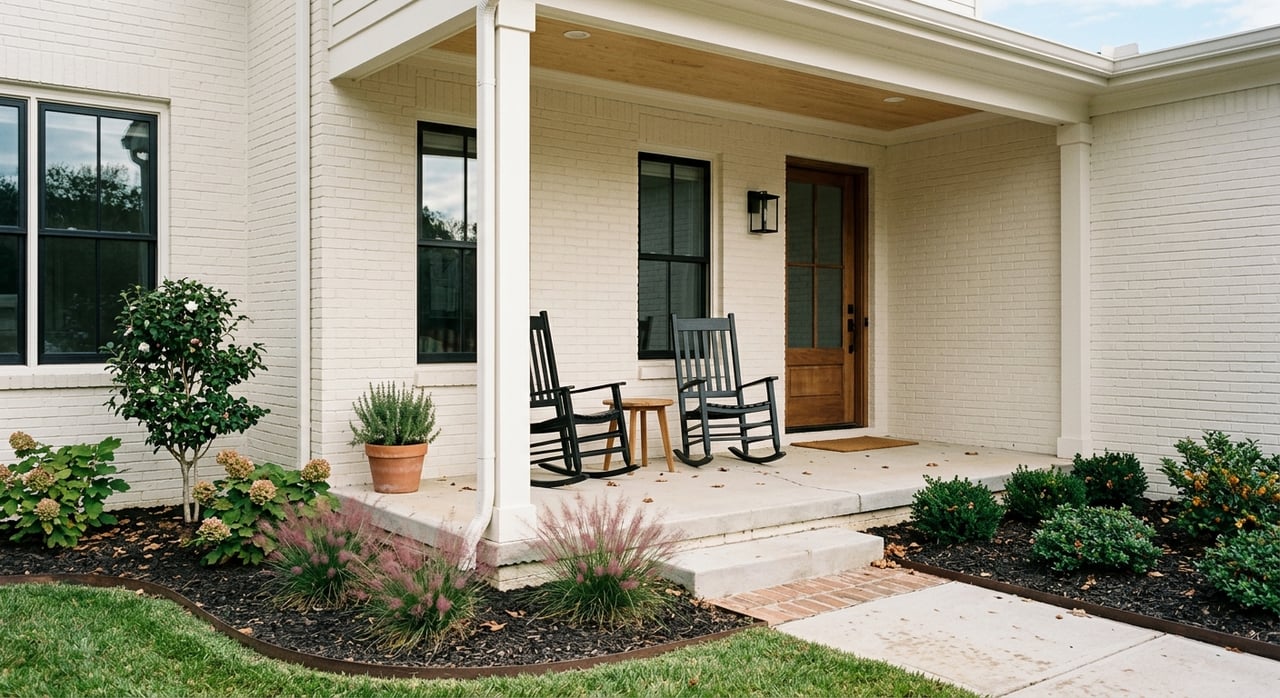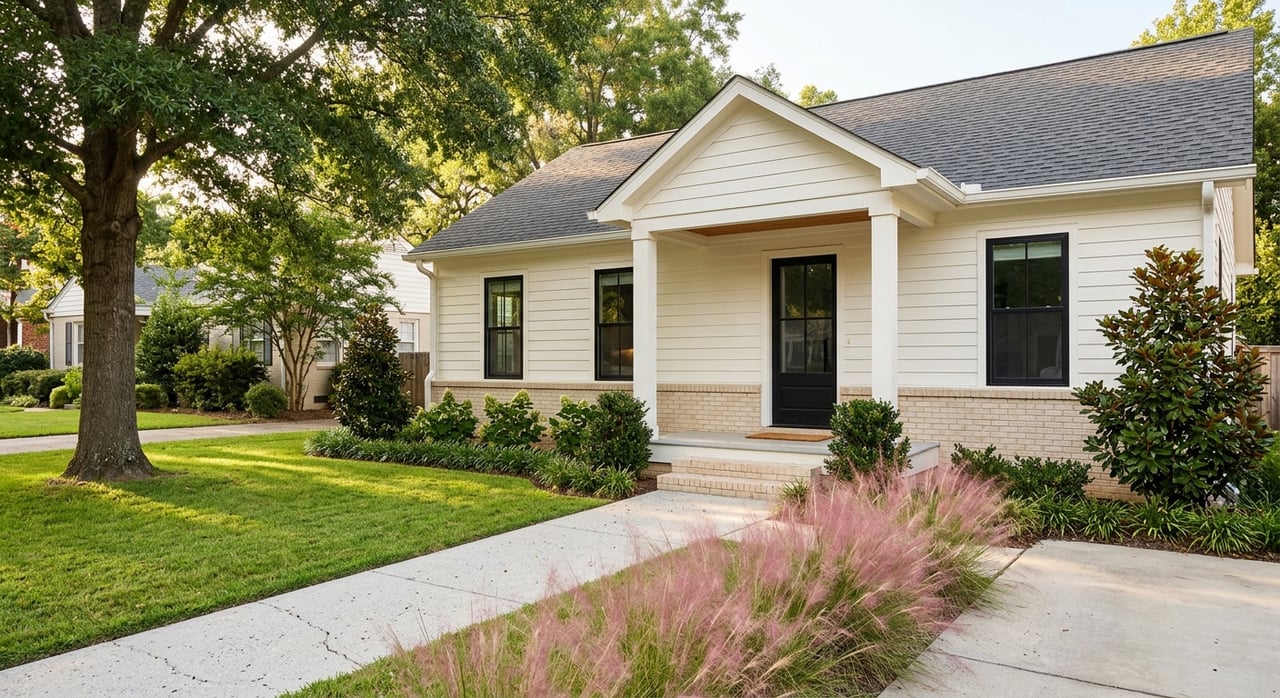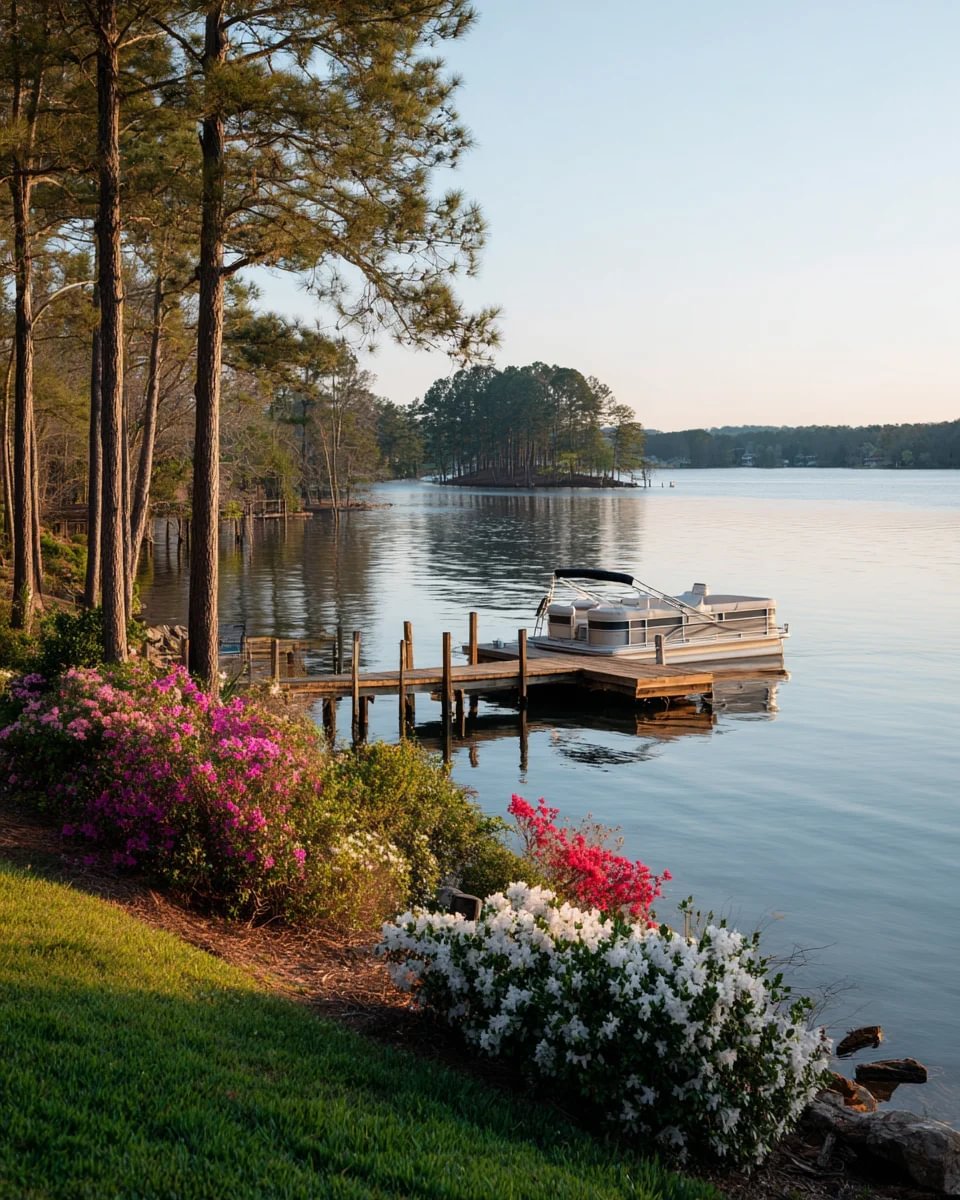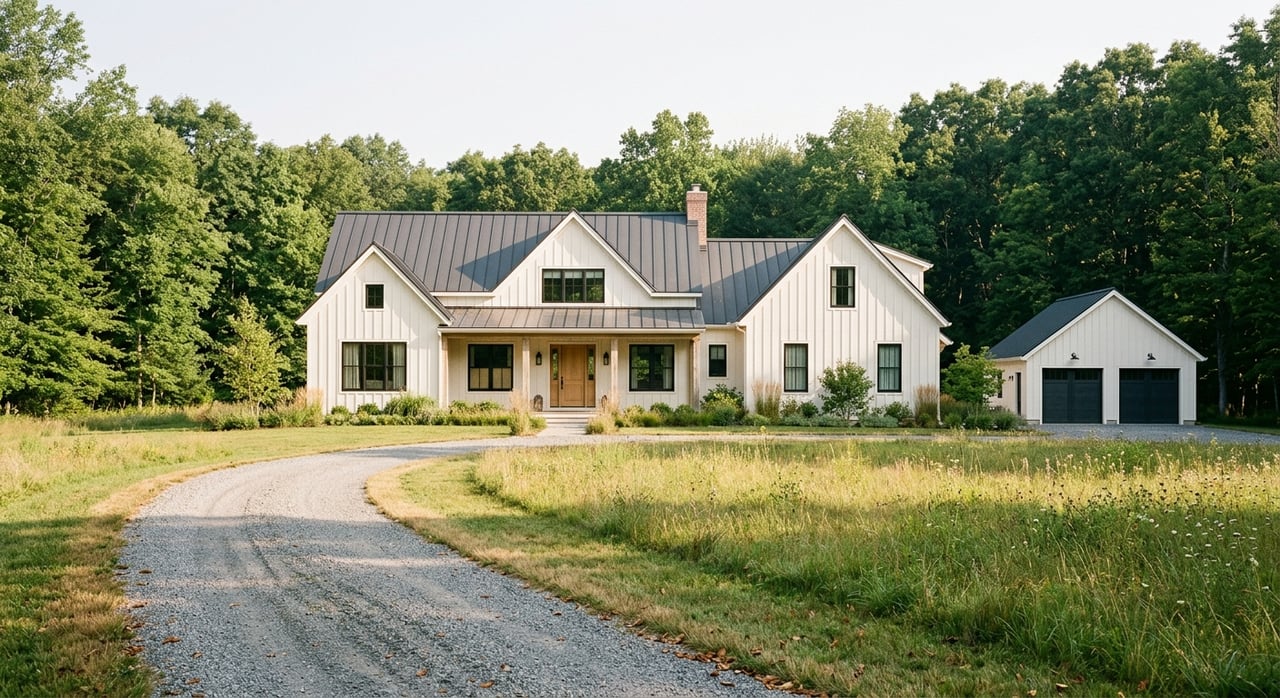
Buying acreage near Hodges can feel exciting at first glance, but the real decision usually has less to do with pretty listing photos and more to do with what the land can actually support. If you are hoping to build, keep animals, add a shop, or create a little more space around your home, you need answers before you fall in love with a parcel. This guide walks you through the biggest things to check so you can move forward with more confidence. Let’s dive in.
Start With the Land Itself
When you buy acreage near Hodges, the parcel should be your first focus. A home can be updated over time, but the land’s zoning, layout, and access limits can shape what is possible from day one.
In Greenwood County, zoning categories serve different purposes. The AG-1 district is intended to support agricultural activity and spacious residential development. The Rural Development District is designed to guide development in previously unzoned rural areas, while the R-1 district is described as urban single-family residential development on relatively large lots.
That distinction matters because two properties with similar acreage may allow very different uses. Before you assume you can add outbuildings, keep livestock, or place a new home on a parcel, confirm the exact zoning district and what that district allows.
Verify Records, Not Just Map Pins
Online parcel maps are helpful, but they are not the final word. Greenwood County’s property report specifically warns that parcel data is not a substitute for a title search, appraisal, survey, or zoning verification.
That means you should treat online information as a starting point, not a decision-making tool by itself. The county property report can point you to deed and plat references, and the Greenwood County Register of Deeds offers online document search for recorded documents.
This step can help you uncover details that are easy to miss during a quick showing. Recorded plats, deed references, easements, and restrictions may all affect how you use the property.
Check Access Early
Access is one of the most important due-diligence items for rural property. A parcel may look easy to reach during a drive-by, but the legal and practical access details can be more complicated than they appear.
In South Carolina, not every road is maintained by the same authority. SCDOT says it maintains more than 41,000 miles of roadway in the state, while other roads may be maintained by local governments, private businesses, or private individuals.
For you as a buyer, the key question is simple: What kind of access does this property actually have? You will want to confirm whether the homesite connects to a state road, county road, or private access arrangement.
If access involves an SCDOT-maintained road, driveway work may require coordination with SCDOT. Residential owners may request a driveway apron through the local SCDOT office, and work within an SCDOT-maintained right-of-way requires an encroachment permit.
Recorded documents can also matter here. Deeds and plats may reveal easements or access notes that affect how you enter the property and where future improvements can go.
Utilities Can Make or Break a Deal
For acreage buyers near Hodges, utility questions often shape the whole purchase. If the parcel does not have public sewer or public water, you may need to plan for septic and a private well.
According to the South Carolina Department of Environmental Services, if there is no public sewer, the property will need a septic system. If there is no public water, it will need a residential well. SCDES also advises buyers to confirm water and sewer availability with local government before buying land.
This matters because a county cannot issue a building permit for a home on a parcel that still needs septic approval. In other words, a parcel may look like a great homesite on paper, but the project can stall quickly if wastewater approval is not feasible.
Why Septic Feasibility Matters So Much
A septic review is not just a routine checkbox. SCDES considers several site-specific factors when reviewing septic suitability, including soil type, slope, the number of bedrooms planned, nearby wells, property lines, surface water, drainage ditches, buildings, outbuildings, and the planned house footprint and driveway.
That means total acreage alone does not guarantee an easy build. You may have plenty of land overall but still run into layout issues that limit where the house, septic field, well, and other improvements can go.
SCDES also identifies possible warning signs that buyers should take seriously. Rocky land, shallow bedrock, steep slopes, flooding, wet ground, wetlands, and fill dirt can all complicate the septic process.
If a conventional or alternative septic system cannot be approved, a specialized engineered system may be needed. That can add thousands of dollars to your project and change your budget in a hurry.
Private Wells Need Their Own Due Diligence
If the property relies on a private well, go in with the right expectations. SCDES says private wells are not regulated by federal drinking water standards, and the property owner is responsible for testing and treatment.
That means you should not assume the water quality question is already handled. SCDES also notes that its residential well sample kits are not recommended for real estate transactions, so a transaction-appropriate water test is the better approach during due diligence.
If you are also planning landscape irrigation, livestock use, or small-scale agricultural use, it helps to understand that SCDES distinguishes irrigation wells from residential drinking-water wells. The intended use of the property can affect the kind of planning you need.
Zoning and Buildability Are Not the Same
This is one of the biggest misunderstandings acreage buyers face. A parcel may be zoned in a way that generally supports rural or agricultural use, but that does not automatically mean it is easy to build on.
For example, Greenwood County’s AG-1 district allows a broad range of uses, including agriculture and single-family detached dwellings. But the county also notes that for lots using septic tanks, the minimum requirements of the health department apply.
So even if the zoning seems favorable, you still need to confirm whether the physical site works for your plans. Zoning tells part of the story. Septic, access, layout, and recorded restrictions tell the rest.
Think Through Your Full Property Plan
Before you make an offer, step back and picture the complete use of the land. Do not just ask whether a home fits. Ask whether your full vision fits.
For many buyers, that includes more than a house. You may be planning for a well, septic field, driveway, garage, barn, workshop, fenced area, or room for future additions.
Because septic design has to account for separations from wells, surface water, buildings, property lines, and drainage features, the site plan often matters more than the raw number of acres. A five-acre parcel with awkward constraints may offer less flexibility than you expected.
A simple checklist can help you stay focused:
- Confirm the zoning district
- Review deed and plat references
- Verify legal and practical access
- Check public water and sewer availability
- Evaluate septic feasibility
- Plan for private well testing if needed
- Review the site for flood, wetland, or drainage concerns
- Think through your full build and land-use plan
Flooding and Wet Ground Deserve Attention
Rural land can come with drainage patterns that are not obvious during one visit. Low spots, standing water, wetlands, and flood-prone areas can affect both buildability and septic suitability.
FEMA’s Flood Map Service Center is the official public source for flood-hazard information, and FEMA says flood maps are updated over time. SCDES also tells buyers to watch for flooding, wetlands, wet ground, and drainage problems when evaluating land for septic suitability.
This is one reason acreage buyers benefit from looking beyond the prettiest part of a parcel. The usable area for your plans may be smaller than the total acreage suggests.
Property Taxes Can Change the Numbers
Acreage buyers should also ask how the land is currently classified for tax purposes and whether that could change after purchase. In South Carolina, property taxes are administered and collected by local governments with assistance from the South Carolina Department of Revenue, and millage is set by the relevant taxing jurisdiction.
For privately owned agricultural property, the assessment rate is 4 percent of use value. The South Carolina Department of Revenue also says rollback taxes can be assessed for the current year plus the five preceding years if land changes out of agricultural use.
This does not mean every acreage purchase will trigger a tax issue, but it does mean tax classification deserves a closer look. If you are buying land with agricultural use in mind, or buying land that may shift out of that use, you will want to understand the potential impact before closing.
Why Local Guidance Helps
Acreage purchases usually involve more moving parts than a typical in-town home purchase. You are not only evaluating the home itself. You are also evaluating zoning, access, utility availability, septic feasibility, layout, and long-term use.
That is why a practical, step-by-step approach matters. When you know what questions to ask early, you can avoid costly surprises and make a decision that fits both your goals and your budget.
If you are considering acreage near Hodges, having a local team that understands Greenwood County property research, rural buyer concerns, and land-use questions can make the process feel much more manageable. When you are ready to talk through your options, Wilton Bowman can help you take the next step with clear guidance and local insight.
FAQs
What should you check first when buying acreage near Hodges?
- Start with the parcel itself by confirming zoning, reviewing deed and plat references, and checking whether the land supports your intended use.
Why does zoning matter for acreage in Greenwood County?
- Zoning affects what uses may be allowed on the property, including residential and agricultural uses, but it does not guarantee the land is easy to build on.
How do you verify access to rural land near Hodges?
- Review the property report, deed records, and plat references to confirm whether access is tied to a state road, county road, or private arrangement.
What should buyers know about septic on acreage near Hodges?
- Septic approval depends on site conditions such as soil, slope, drainage, nearby wells, and the planned layout of the home and improvements.
What should buyers know about private wells on acreage in South Carolina?
- If a property uses a private well, the owner is responsible for testing and treatment, and buyers should plan for a transaction-appropriate water test during due diligence.
Can a parcel be zoned correctly but still be hard to build on?
- Yes. A property can have favorable zoning and still face challenges with septic feasibility, drainage, wetlands, access, or layout constraints.
Why do property taxes matter when buying acreage near Hodges?
- Tax classification can affect your carrying costs, and land that changes out of agricultural use may be subject to rollback taxes under South Carolina rules.