If you are selling a home in Greenwood, it is easy to assume that putting it online is enough. In reality, buyers have more choices, they compare homes quickly, and they often make first impressions from a phone screen before they ever schedule a showing. When you understand how online marketing really works, you can make better decisions about pricing, presentation, and promotion. Let’s dive in.
Why online marketing matters in Greenwood
Greenwood is not a market where every home sells instantly just because it is listed. March 2026 Greenwood-area MLS data show a rolling 12-month median sales price of $261,950, 4.2 months of single-family inventory, and 107 days on market until sale across all price ranges.
That matters because buyers have options. The same MLS data show sellers received an average of 96.9% of list price, which tells you exposure helps, but it does not replace smart pricing and solid home prep.
Price range also affects timing. Homes under $150,000 averaged 92 days to sell, while homes priced at $1,000,001 and above averaged 137 days. A strong online strategy helps your home get noticed, but it works best when it is paired with realistic expectations.
How buyers find homes today
Most buyers start online, or at least spend a big part of their search there. According to NAR’s 2025 buyer survey, 51% of buyers found the home they purchased online, and 88% bought through a real estate agent or broker.
The search process also takes time. The typical buyer search lasted 10 weeks, with a median of 7 homes viewed. That means your listing needs to do more than appear online once. It needs to stay visible and make a strong impression over time.
There is another key point for sellers. In that same survey, 55% of buyers said the biggest hurdle was finding the right property. If your home is easy to find and easy to understand online, you improve the odds that the right buyer will take the next step.
What buyers notice first online
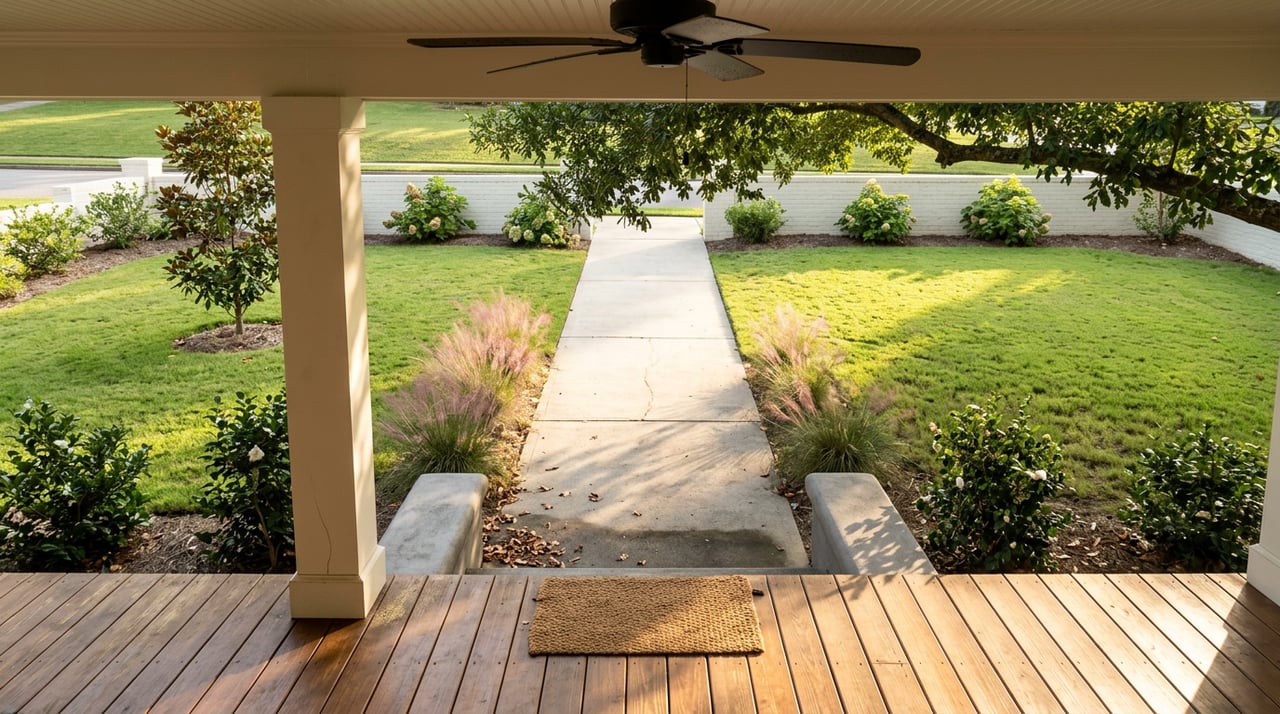
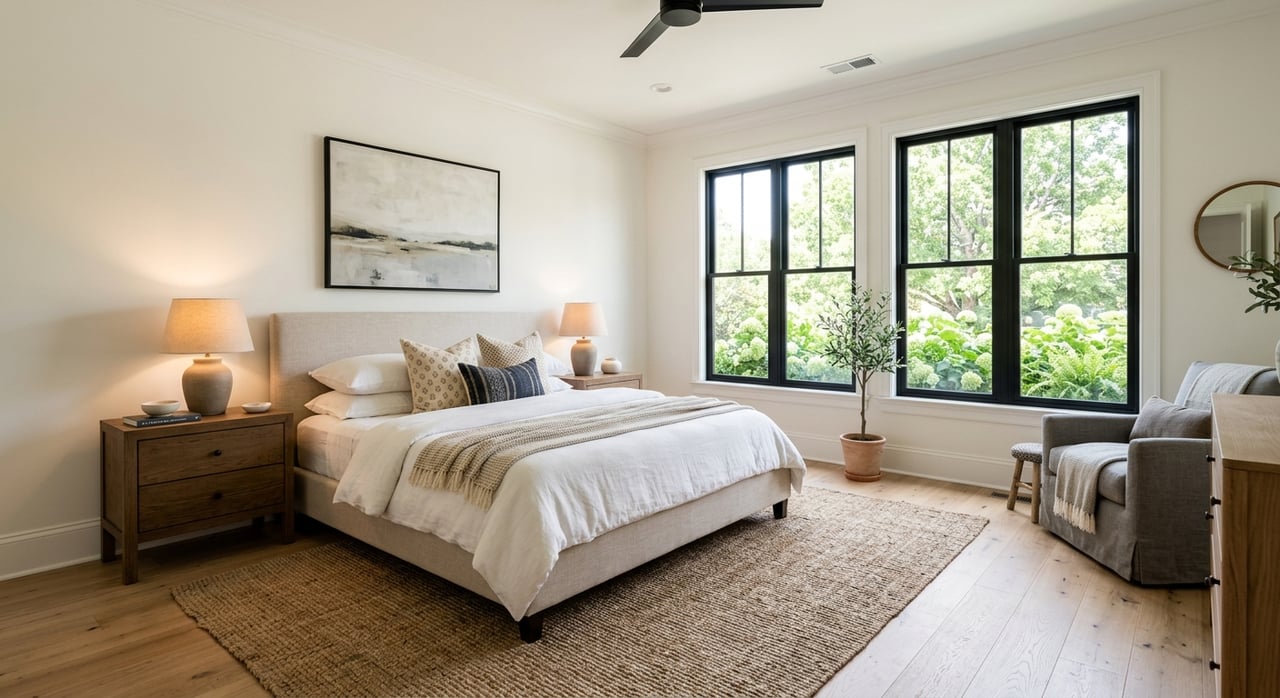
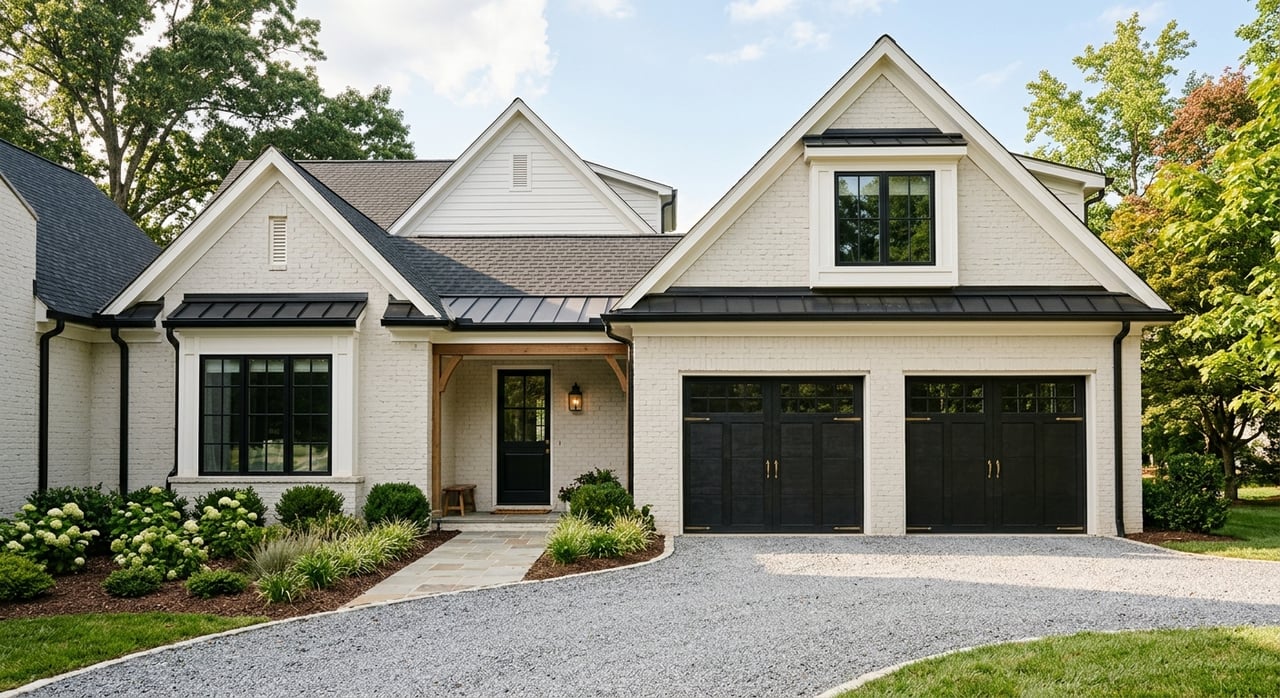
When buyers scroll through listings, they do not read every word right away. They react first to the photos, the lead image, and the basic details that answer their biggest questions fast.
NAR’s buyer data show that among internet users, photos were the most useful website feature for 83% of buyers. Detailed property information came next at 79%, followed by floor plans at 57%, virtual tours at 41%, and videos at 29%.
That order matters. It tells you where the core value is. If the photos are weak, poorly ordered, or fail to show the home clearly, the rest of the marketing may never get a fair chance.
Why the first photo matters most
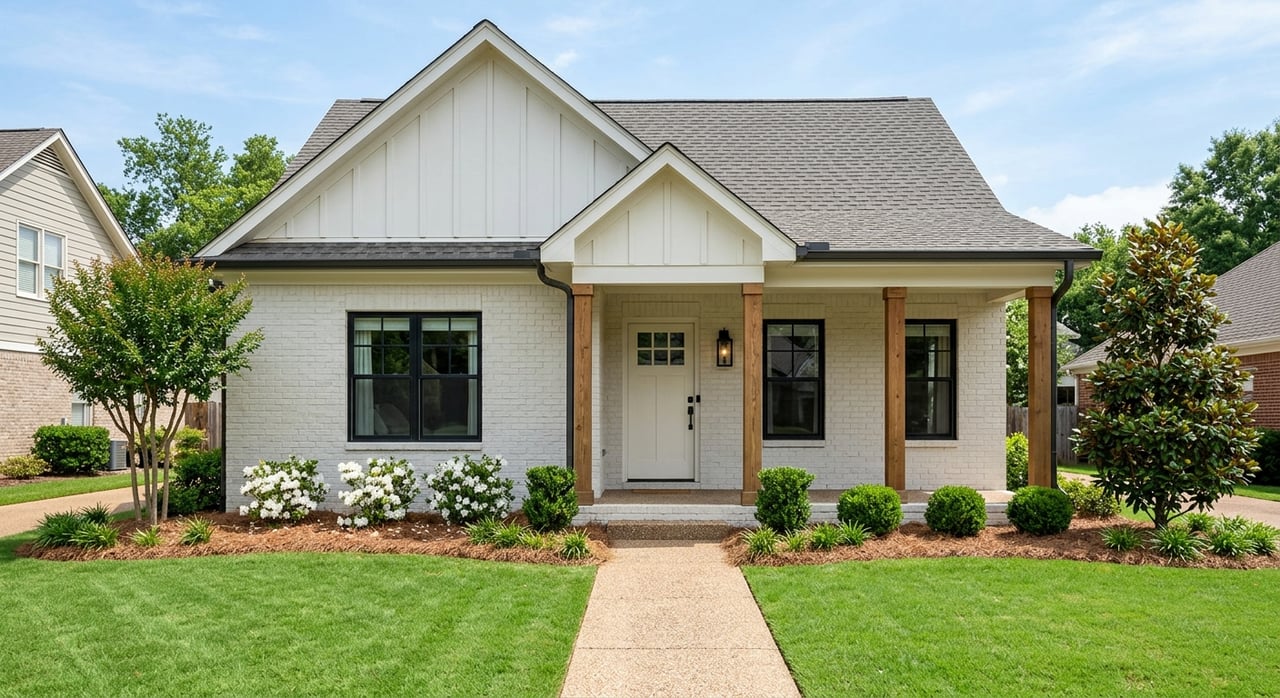
Your first photo is not just another image. It often determines whether a buyer clicks into the listing at all.
NAR’s 2026 visibility guidance notes that the lead image sets expectations for the entire listing. If that photo is dark, cluttered, or does not highlight the home well, buyers may move on before they see the kitchen, yard, or updates that could have changed their mind.
That is why listing marketing should start with presentation. Before a home goes live, you want the strongest possible lead image and a photo order that tells a clear story from the outside in.
What a strong listing actually includes
A good online listing is more than uploading photos and waiting. It should give buyers a complete, easy-to-follow picture of the home.
At a minimum, a strong listing strategy should include:
- High-quality photos with a strong lead image
- A clear, accurate property description
- Key details buyers want right away, such as layout, updates, lot size, and standout features
- Floor plans when available
- Virtual tours or video as added support
- Clean presentation across desktop and mobile devices
This works because buyers compare homes quickly. If your listing answers questions early and presents the home clearly, buyers are more likely to save it, share it, and book a showing.
Is MLS enough by itself?
The MLS is the base layer, but it is not the whole strategy. NAR describes the MLS as the platform that compiles listings, helps share them to local and national consumer websites, and gives sellers broad exposure to buyers.
That broad reach is essential. Your home needs to be in the MLS because it creates the trusted listing record and helps your property appear where buyers are already searching.
Still, MLS alone is usually not the finish line. Syndication expands that reach to non-MLS websites through broker agreements, which gives your listing more chances to be seen during those first important days and weeks on the market.
What happens after the listing goes live
A lot of sellers think the main job is done once the listing appears online. In practice, that is just the launch.
Early activity matters. NAR’s 2026 visibility guidance notes that saves and shares soon after a listing goes live can help it gain traction. That is one reason timing, presentation, and initial exposure matter so much.
Then comes follow-up visibility. Buyers may click once, compare several homes, and leave without scheduling a showing. That does not mean they are not interested. It often means they are still deciding.
How retargeting helps serious buyers remember your home
This is where digital retargeting comes in. Google explains remarketing as showing ads to people who previously visited your website or interacted with your business.
In simple terms, retargeting helps put your listing back in front of people who already showed interest. Instead of hoping they remember your home later, the marketing helps remind them while they are still actively comparing options.
This kind of follow-up can be especially useful in a market like Greenwood, where homes are not always selling overnight. When buyers take weeks to search, staying visible can matter.
Why targeted ads are different from broad exposure
Broad exposure gets your home seen by many people. Targeted digital ads are meant to reach the people most likely to care.
Google notes that in-market audiences can reach consumers who are actively researching and considering services like yours. Meta also explains that custom audiences can reconnect with people who have already interacted with a business, while lookalike audiences can help reach similar users.
For a seller, the takeaway is simple. Good marketing is not only about being everywhere. It is about showing your home to the right people, more than once, in a way that encourages action.
Why mobile-friendly marketing matters
Your listing does not just need to look good on a computer. Buyers split their internet searches about evenly between desktop or laptop and mobile devices.
That means your photos need to read well on a small screen. Your property description needs to be easy to scan. Your home’s most important details should show up clearly without making buyers work to find them.
If a listing is clunky on mobile, you risk losing attention fast. That is a big deal when many first impressions happen in seconds.
What online marketing cannot fix
Strong marketing helps, but it does not override the basics. Greenwood MLS data still show an average sale-to-list ratio of 96.9%, which is a good reminder that pricing and condition still shape results.
If a home is priced above what buyers see as reasonable, more online views will not automatically create a stronger offer. If the home needs prep work or the photos do not match what buyers see in person, online attention may not turn into a sale.
That is why the best strategy is balanced. You want the right price, the right presentation, and the right promotion working together.
What sellers should expect from a marketing plan
When you ask how online marketing works, you are really asking whether there is a system behind the listing. A strong plan should not feel random or vague.
You should expect clear guidance on how to prepare the home, how it will be priced, what visual assets will be used, where the listing will appear, and how visibility will continue after launch. You should also expect communication along the way so you know what is happening and why.
That process-focused approach fits the Greenwood market well. Homes need exposure, but they also need strategy and follow-through.
How Bowman Home Team approaches exposure
Bowman Home Team positions itself as a Greenwood-based team serving sellers across Greenwood and nearby South Carolina and Eastern Georgia communities. The team highlights 15+ years of experience, significant marketing spend per listing, and a team-supported model with agent, admin, database, and social media support.
For sellers, that matters because online marketing works best when it is organized. It takes pricing guidance, listing presentation, broad distribution, and steady follow-up to keep a home visible to serious buyers.
Bowman Home Team also emphasizes keeping sellers informed from lead generation through the actual sale. That practical, hands-on support can make a real difference when you are trying to understand not just where your home is marketed, but how that marketing is supposed to move buyers toward a showing and an offer.
If you are thinking about selling in Greenwood and want a clear, local strategy for pricing, presentation, and digital exposure, schedule a consultation with Wilton Bowman.
FAQs
How does online marketing help sell a home in Greenwood?
- Online marketing helps buyers find your home, compare it with other listings, and decide whether to schedule a showing. In Greenwood, where single-family inventory was 4.2 months and average days on market reached 107, visibility matters most when it is paired with realistic pricing and solid presentation.
Is the MLS enough when selling a home in Greenwood?
- The MLS is the foundation because it creates broad exposure and trusted listing data, but it is not always enough by itself. Syndication and follow-up digital ads can help keep your home visible beyond the first listing launch.
Do photos matter more than video for a Greenwood home listing?
- Yes. NAR buyer data show photos were the most useful feature for 83% of internet-using buyers, while virtual tours were at 41% and videos were at 29%.
Can more online exposure guarantee a higher sale price in Greenwood?
- No. Strong exposure can help attract attention, but Greenwood MLS data show sellers received an average of 96.9% of list price, which means pricing and condition still play a major role in the final result.
What should a Greenwood online listing include?
- A strong Greenwood listing should include high-quality photos, a clear property description, detailed home information, and ideally floor plans, with virtual tours or video used as supporting tools rather than the main feature.
Why does retargeting matter when selling a Greenwood home?
- Retargeting helps keep your home in front of people who already showed interest online. Since buyers often search for weeks before making a decision, that added visibility can help your listing stay top of mind.