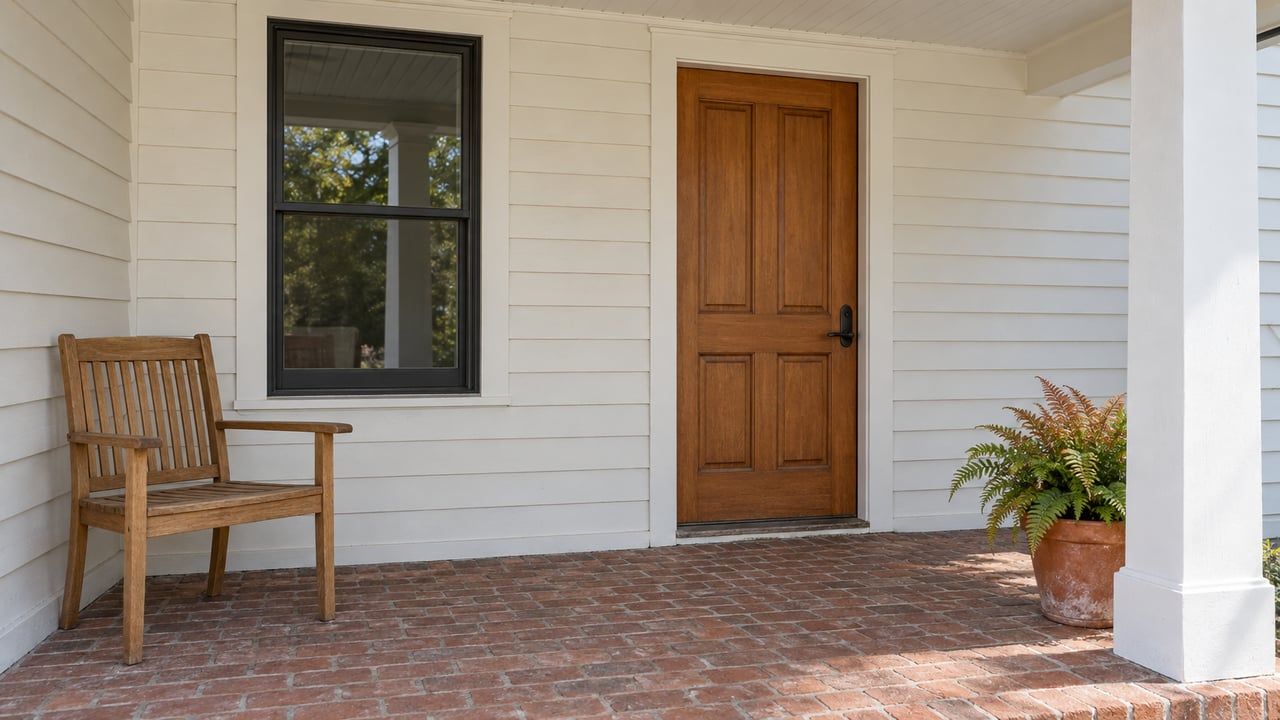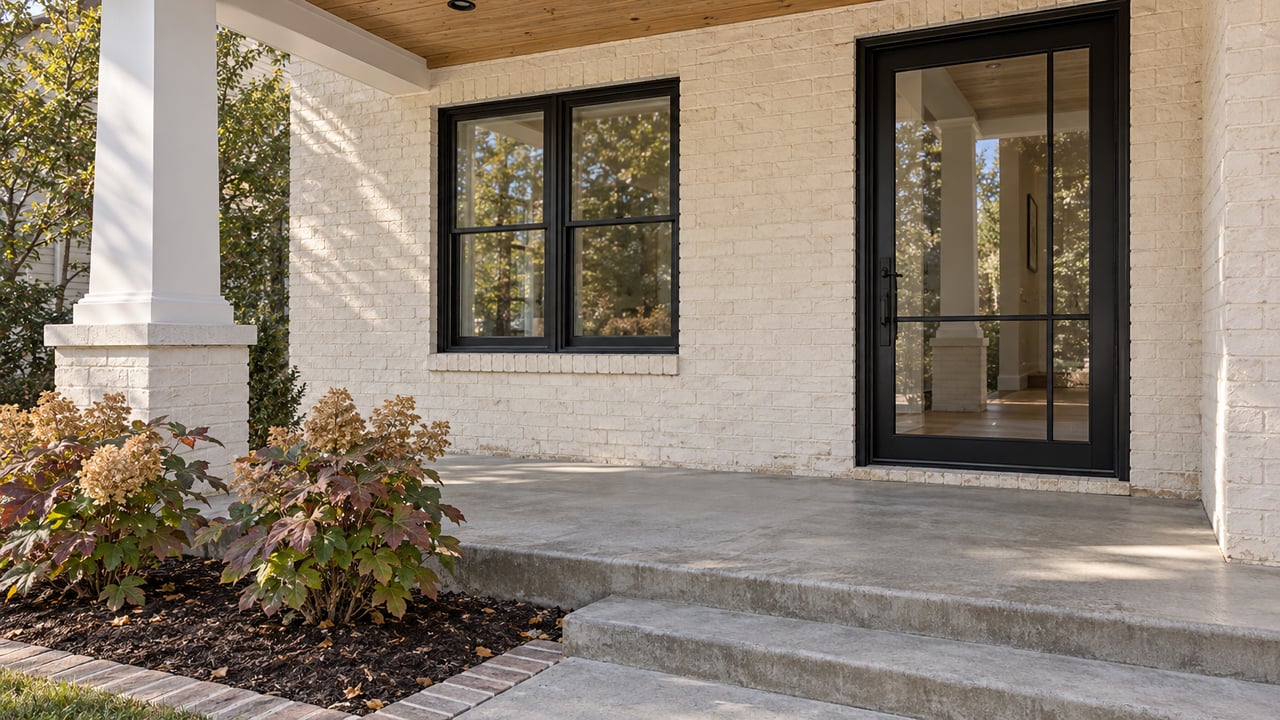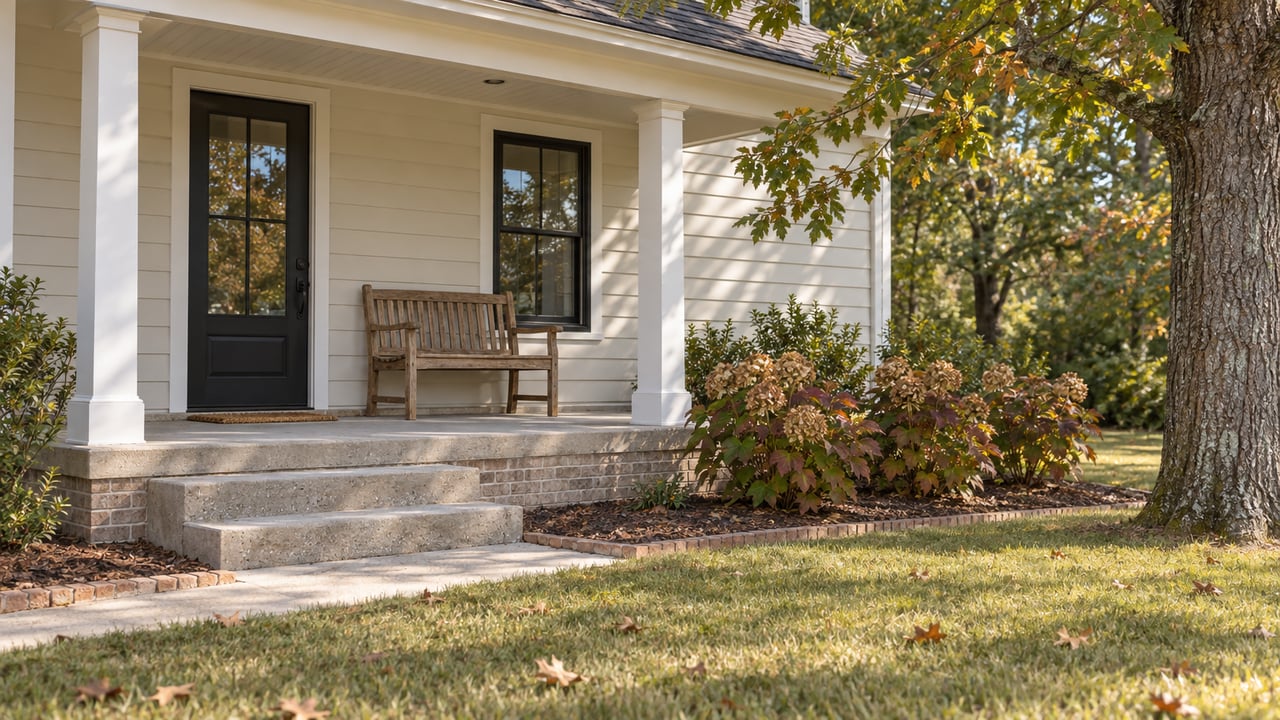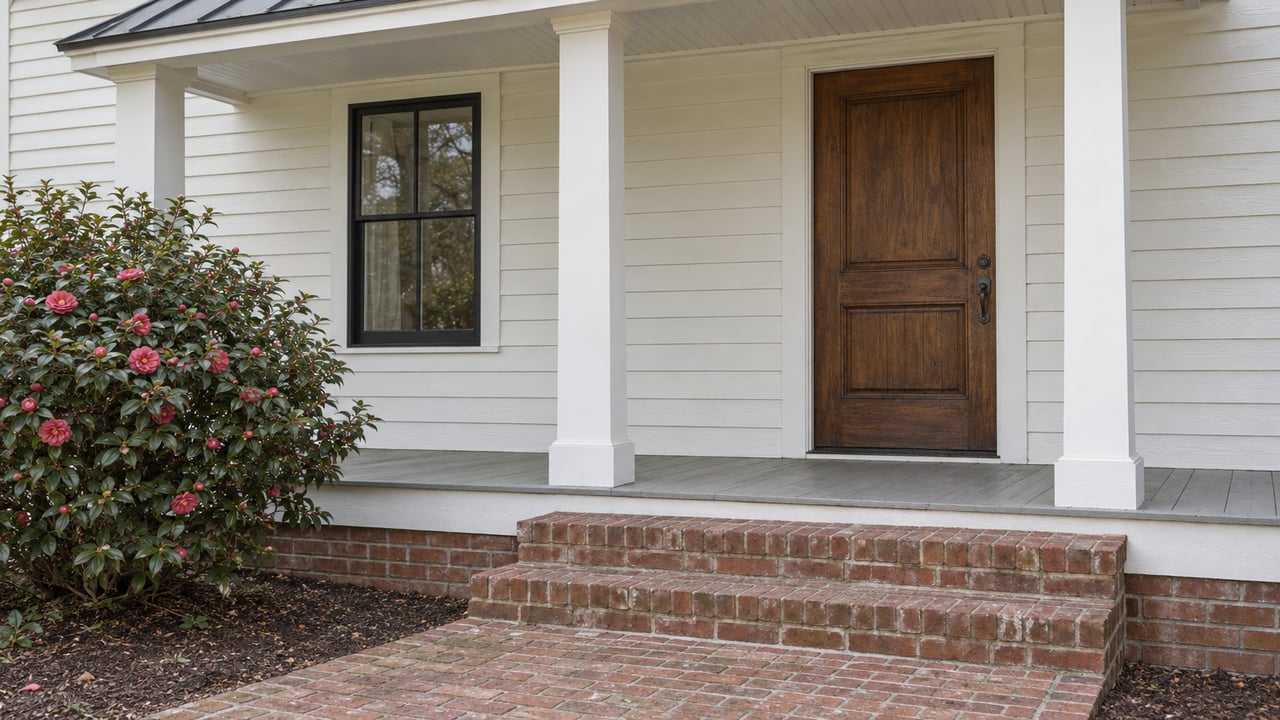
A buyer touring Graniteville this month could see a three-bedroom cottage on Gregg Street built before the Civil War, walk fifteen minutes to Highland Hills, and step into a five-bedroom house that didn't exist five years ago. Both are technically the same market. Neither is competing for the same offer.
That gap matters more than most buyers realize when they start with a single number. As of homes sold in the twelve months leading into 2026, the median sale price in Graniteville sat around $295,000, up modestly from the year before. Looking at listings currently on the market, the range runs from roughly $150,000 to $596,990. A spread that wide isn't a market being indecisive. It's two markets sharing a zip code.
The Mill Cottages and the Subdivisions Aren't Really Comparable
Graniteville's oldest housing stock dates to 1845, when William Gregg chartered the Graniteville Manufacturing Company and built a company town around it, one of the first large-scale mill villages in the South. The original 26 workers' cottages on Gregg Street, built in Early Gothic Revival style, along with the 1849 mill building, the Graniteville Canal, the 1847 Graniteville Academy, and St. John's Methodist Church designed by Charleston architect E.B. White, make up the Graniteville Historic District. It was listed on the National Register of Historic Places and designated a National Historic Landmark in 1978. A few blocks over, the Hickman Mill Historic District, added to the National Register in 2016, covers the early twentieth century expansion of the company, including the Hickman Memorial Hall, which was renovated using federal and state historic tax credits after decades of disrepair.
That's one Graniteville.
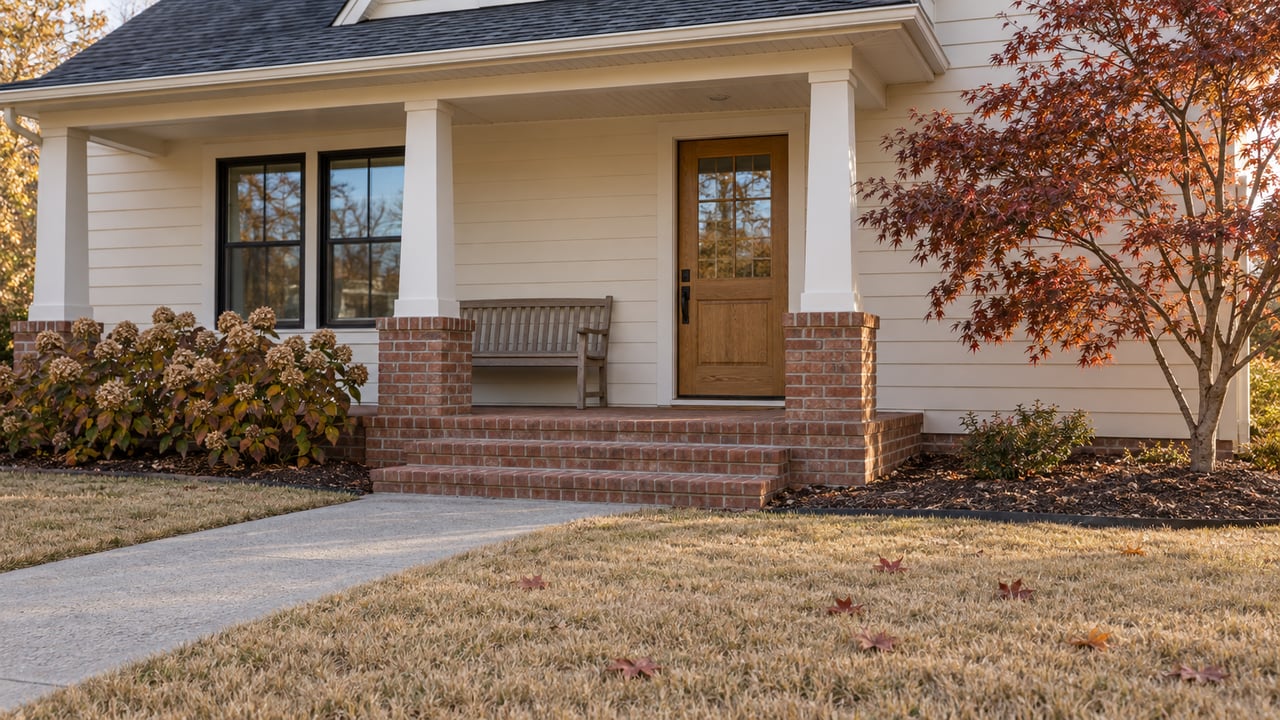
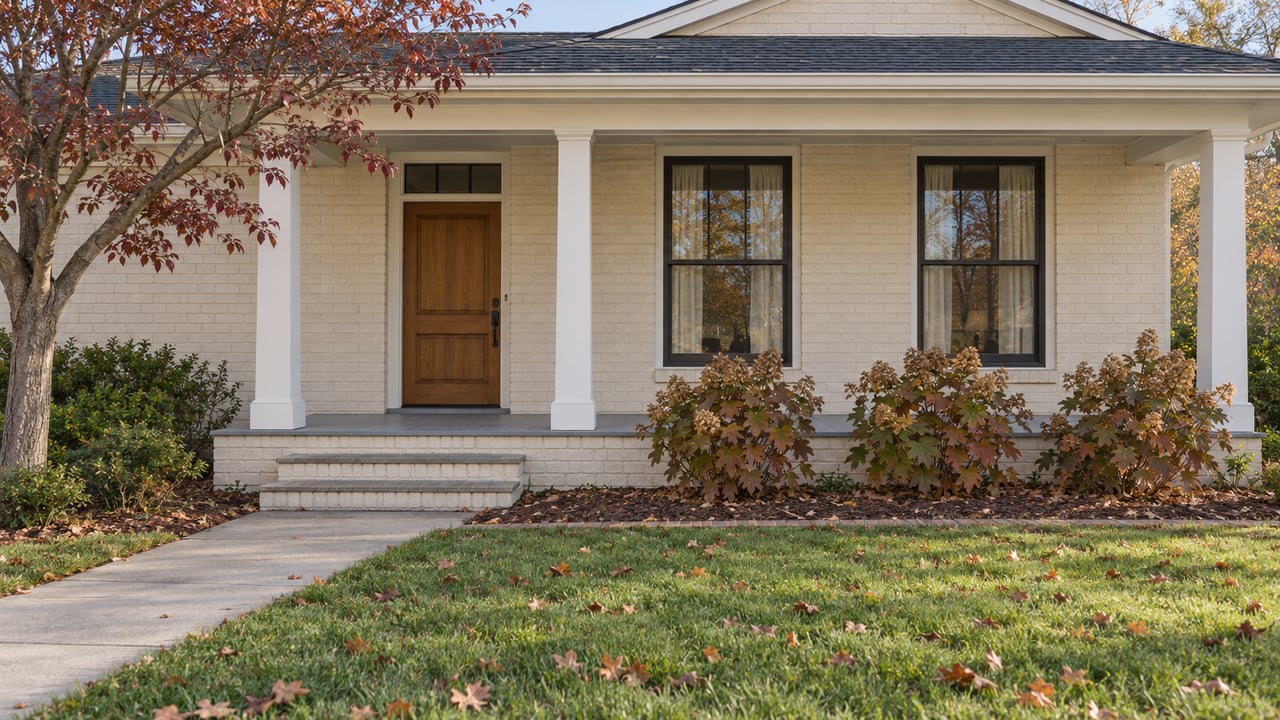
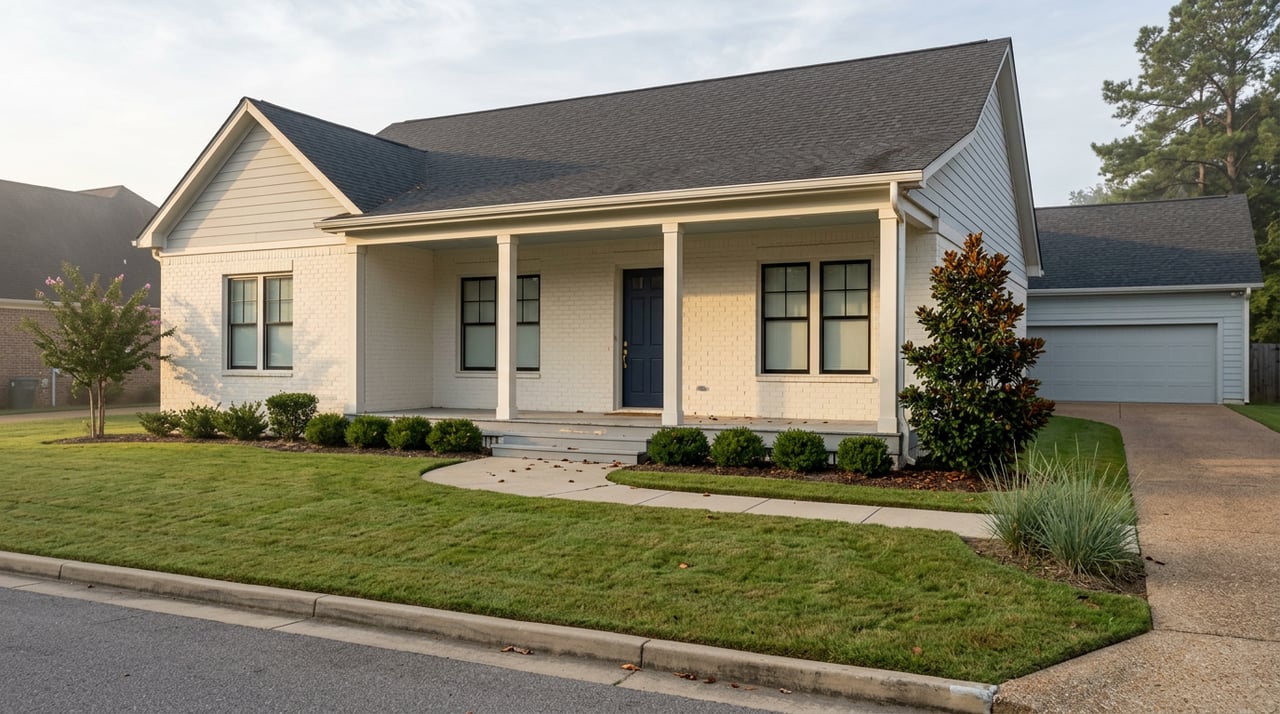
The other is D.R. Horton building single-family homes and townhouses at Byrd Village and a pool-and-playground community called Highland Hills. It's McGuinn Homes developing townhomes at Cypress Point. It's Sage Creek, filled with single-family houses completed by multiple builders across the 2010s. Active listings in these subdivisions currently carry incentives like interest rate buydowns and closing cost credits, the kind of financing tools that only exist for new construction.
When you average a $150,000 fixer-upper cottage from 1847 with a $400,000 new-build on a builder incentive, you get a number that describes neither. The current average price across active listings, pulled from live MLS data updated in early September 2026, runs closer to $351,660, noticeably higher than the trailing twelve-month sold median of $295,000. That gap is the clearest signal that the for-sale mix right now leans newer and larger than what actually closed over the past year. The median isn't wrong. It's just not a house.
| Historic Mill Cottages (Gregg Street) | New Subdivisions (Highland Hills, Sage Creek, Cypress Point, Byrd Village) | |
|---|---|---|
| Era | 1845 to early 1900s | 2010s to present |
| Typical price entry point | Lower end of the current $150,000 to $596,990 range | Mid to upper end, often $300,000+ |
| Systems risk | Possible original wiring, cast iron or galvanized plumbing depending on renovation history | Modern code-built systems, builder warranty |
| Financing tools | Conventional or renovation loans, appraisal risk on unique properties | Builder incentives, rate buydowns, first-time and military discounts |
| Regulatory status | National Historic Landmark and National Register listed | No historic designation |
What "National Historic Landmark" Actually Controls
Here's where most buyers get the wrong idea. A National Historic Landmark sounds like a designation with teeth, the kind that puts a review board between a homeowner and a new roof. It doesn't work that way.
The South Carolina Department of Archives and History, which administers the state's role in the National Register, is direct about this. Owners of private property listed in the National Register are free to maintain, manage, or even dispose of their property as they choose, as long as there's no federal funding involved and no separate state permit trigger like a mining permit or coastal management review. The National Park Service says the same thing about landmark status specifically: designation doesn't prohibit an owner from making changes that could completely alter the property's character, and owners aren't obligated to follow federal preservation guidance unless they're taking federal money to do the work.
What actually restricts a homeowner's choices, in places where that restriction exists, is a separate decision by a local government to adopt its own historic preservation ordinance and appoint a review board that issues a Certificate of Appropriateness before any exterior change. Cities like Charleston and Columbia have done this. Whether Aiken County has adopted a matching local overlay specifically for Graniteville's historic streets is a question worth asking the county planning office directly rather than assuming either way based on the national landmark status alone. The federal and state designation on its own doesn't answer that question.
The Real Friction Sits Behind the Walls
If a Gregg Street cottage isn't going to trip up a buyer with a design review board, what should a buyer actually be asking about?
Most of Graniteville's original mill houses were sold off by the company to residents and other buyers by the 1950s, and many have been updated since, sometimes multiple times over. That's good news, but it also means the honest answer to "what's behind this wall" depends entirely on which decade did the updating. A house rewired in the 1990s is a very different proposition than one that's never had its original wiring touched. Before making an offer on a pre-1950s house in this area, it's worth asking:
- When was the electrical panel last replaced, and is there any remaining original wiring in unfinished spaces like attics or crawl spaces
- Is the water supply line copper, or original cast iron or galvanized steel, and has the drain line ever been scoped
- Has the home ever had an insurance carrier decline coverage or require remediation before binding a policy
That last question matters because it's often the first place this shows up in a real transaction. Insurers routinely decline or add conditions to policies on homes with unaddressed older wiring types, regardless of how the house looks from the street. That's a financing and closing timeline issue, not a preservation board issue, and it's the kind of thing that catches buyers off guard when they've spent their attention worrying about the wrong kind of restriction.
This is also where hands-on renovation experience earns its keep. Wilton Bowman has personally worked through renovation projects and understands what a historic system actually looks like once the drywall comes down, which is useful context for anyone weighing a historic cottage against a new build.
The Tax Credit Side Most Buyers Never Ask About
There's a real financial upside to the historic side of this market that rarely comes up. Under South Carolina's Historic Rehabilitation Incentives Act, owner-occupants who rehabilitate their residence may be able to subtract 25 percent of qualifying repair and renovation costs from their state income taxes. That's a meaningful offset against the reality that historic materials, old growth lumber, true divided-light windows, and period-appropriate finishes, typically cost more to source and repair than standard replacements. It's not a reason to buy a fixer-upper on its own, but it's a real number that belongs in the math when comparing a discounted historic cottage against a new-construction house at a higher price point with a builder incentive baked in.
What This Means If You're Comparing the Two
If you're cross-shopping Graniteville right now, the median price isn't a useful anchor by itself. What matters is which side of this market you're actually shopping on, and what that side asks of you. A Gregg Street cottage asks for a careful inspection, an honest conversation about systems and insurability, and an understanding that the landmark designation is a matter of historical recognition, not a permission slip requirement. A Highland Hills or Sage Creek listing asks a more conventional set of questions: what does the builder incentive actually save you over the life of the loan, and how does that stack up against a comparable resale house nearby.
Neither answer is wrong. They're just answering different questions, which is exactly why one median price was never going to cover both of them.
If you're trying to figure out which side of Graniteville actually fits your budget and your appetite for a project, or you want a straight read on what a specific property nearby is worth before you make an offer, the Bowman Home Team can walk through it with you. You can also browse more on the Graniteville neighborhood page or start with our buyer resources if you're just beginning to compare areas. Schedule a consultation whenever you're ready to talk specifics.
A Couple of Questions Worth Settling Early
Does a National Historic Landmark designation mean I need county approval to renovate? Not automatically. Federal and state listing on its own doesn't restrict a private owner's choices about their property. That kind of restriction only exists where a local government has separately adopted a historic preservation ordinance with its own review board. Confirm directly with Aiken County whether such an ordinance applies to the specific property you're considering.
Will a lender treat a historic cottage the same as new construction? Not in practice. Older systems, particularly original wiring and older plumbing materials, can affect both insurability and appraisal, which in turn affects financing timelines. Ask about panel and plumbing history early, ideally before you're under contract, so there are no surprises during underwriting.
This article is general information, not legal, tax or financial advice. Consult a qualified professional about your situation.